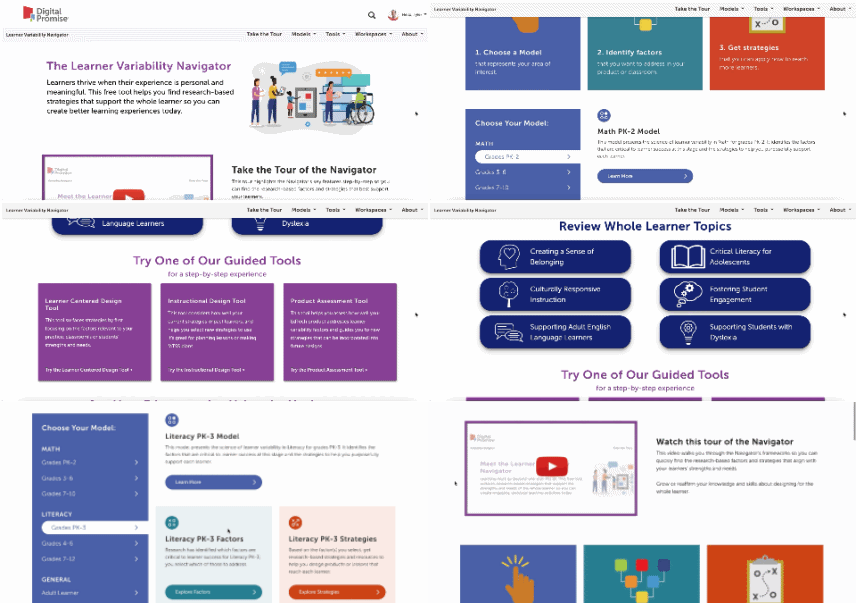
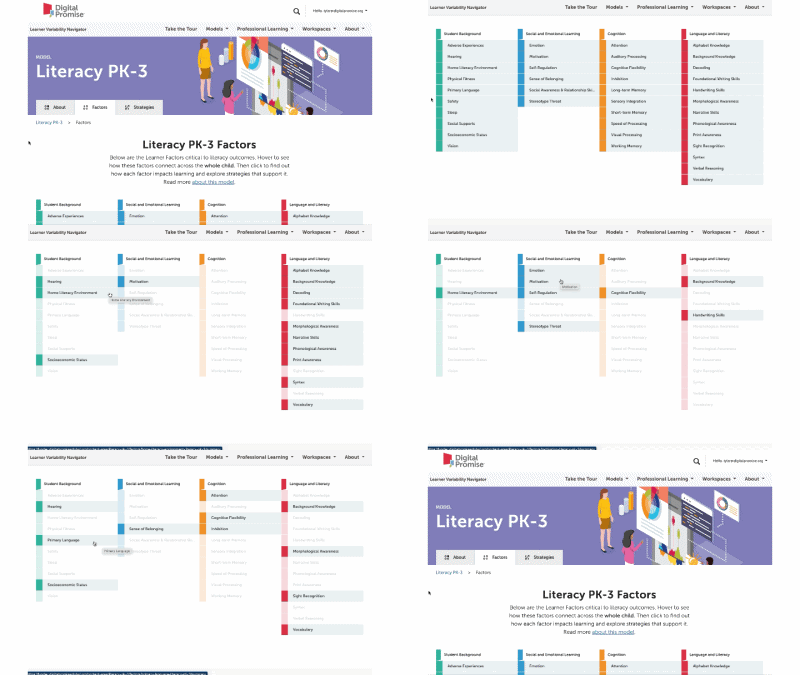
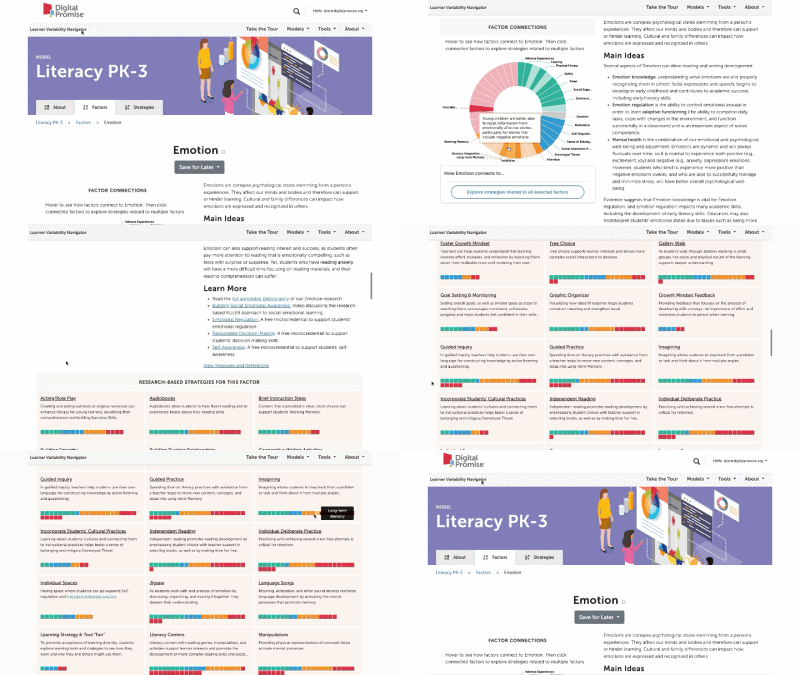
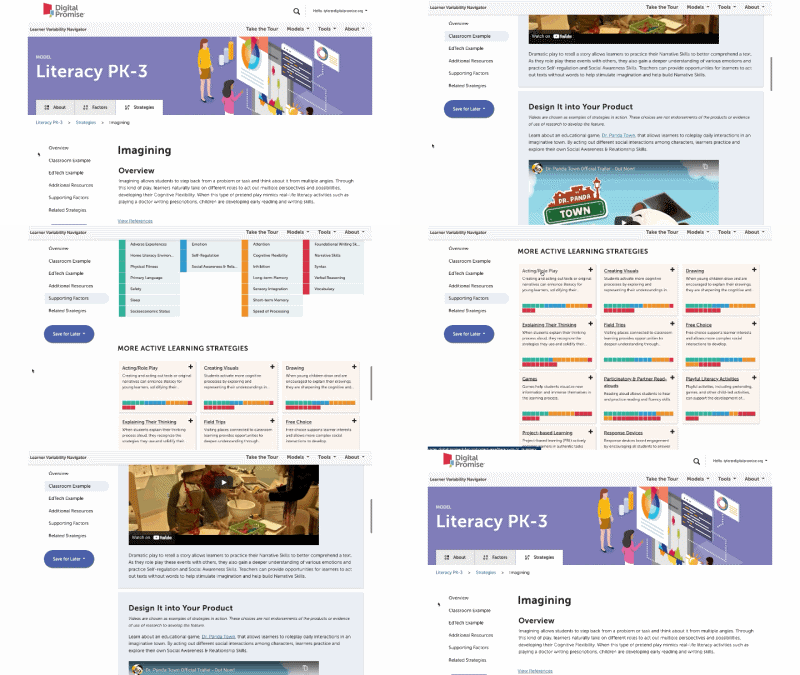
A learner's Mindset is a lens through which learners see the world, which affects their beliefs, attributions, attitudes, and behaviors that can either help or hinder their learning.
Instructors can also offer more autonomy support to learners by listening to the learners, allowing them to engage with the instructional materials, asking about learner needs, responding to learner-generated questions, using perspective-taking statements to show empathy, offering less directives and direct solutions, and intentionally promoting intrinsic Motivation.
Dialogue journals where learners engage in an ongoing conversation with the instructors are particularly effective with adult English language learners and help foster their sense of self-efficacy while fostering a Learner Mindset.
Developing cultural awareness as an educator is an ongoing process that includes building empathy for diverse learners, intentionally recognizing how one's own identity intersects with learners' identities, and creating an awareness of how the environment can impact learners' Sense of Belonging.
Visualizing how ideas fit together helps learners construct meaning and strengthens their recall.
Process-based writing focuses on how learners brainstorm, outline, draft, and revise their writing and is most effective when paired with feedback, especially for English language learners.
When annotating, learners engage deeply with a text and make their thinking visible while reading, which supports Foundational Reading Skills.
Inquiry-based learning is centered around open-ended questions posed by instructors and/or the learners themselves and fosters a Learner Mindset.
Green, T. M., Kelso, C. M., & Zillioux, D. (2015). The Nexus between Education and Training: Implications for the Adult Learner. Journal of Research in Innovative Teaching, 8(1).
Audiobooks allow learners to hear fluent reading and experience books in a flexible format.
 Except where otherwise noted, content on this site is licensed under a Creative Commons Attribution-NonCommercial 4.0 International License


Already a user? LOG IN